
Planning
Five Things to Observe Before Redesigning a Yard
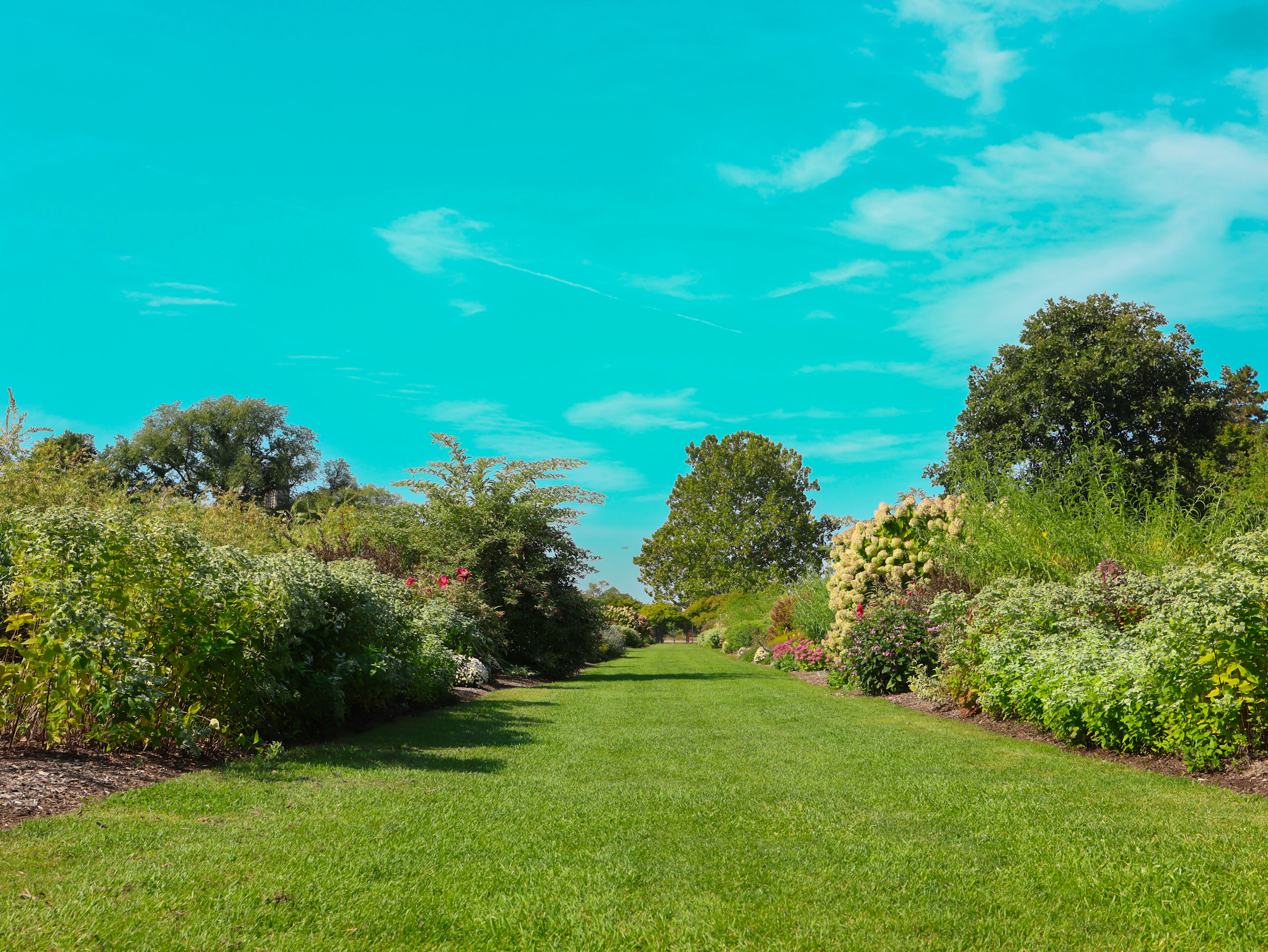
Light, drainage, circulation, mature plant size, and maintenance effort shape the long-term result.
Original educational content about lawns, planting, site planning, and seasonal maintenance.
Light, drainage, circulation, mature plant size, and maintenance effort shape the long-term result.
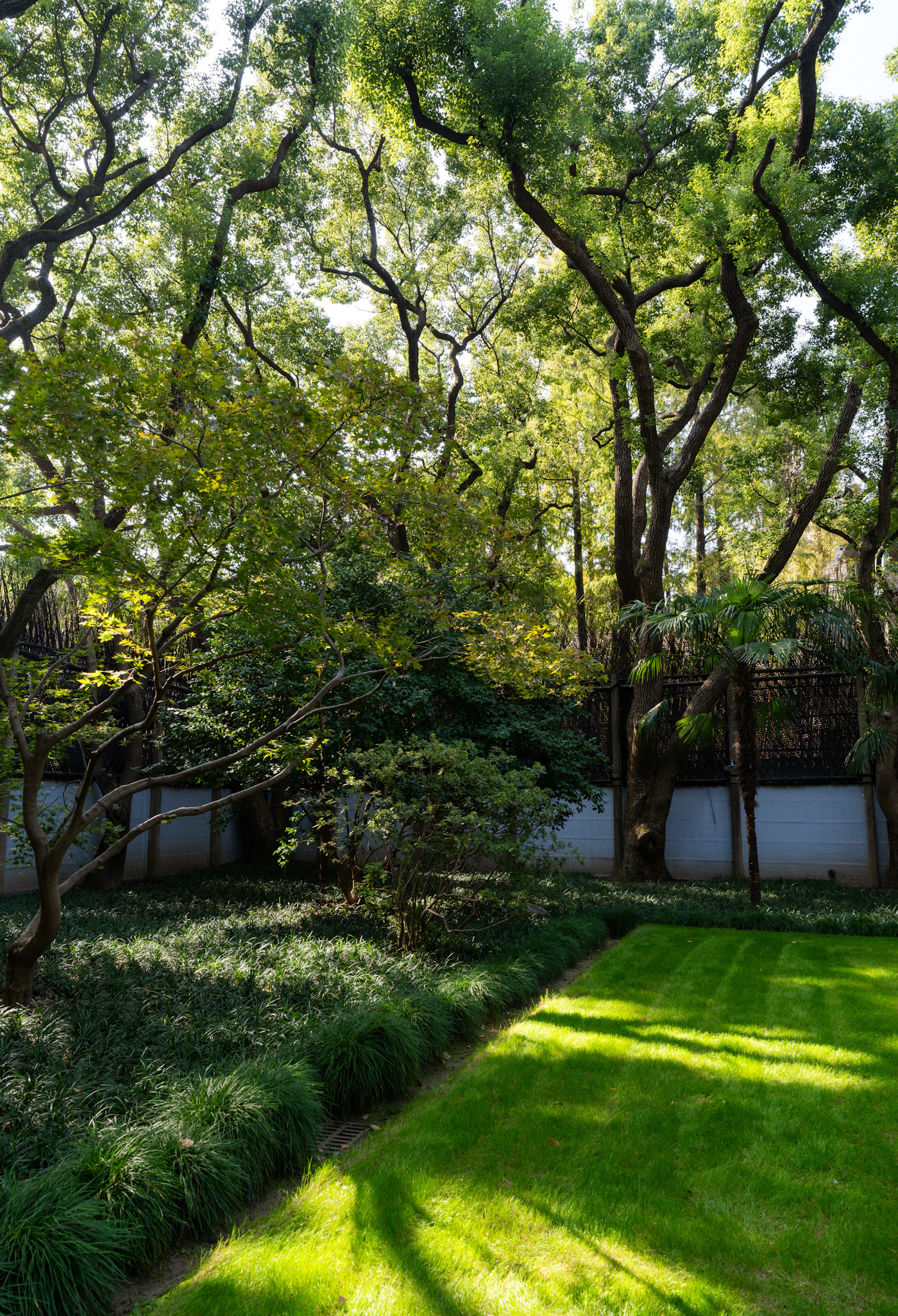
Mowing height affects leaf area, root stress, weeds, heat response, and the overall density of the lawn.
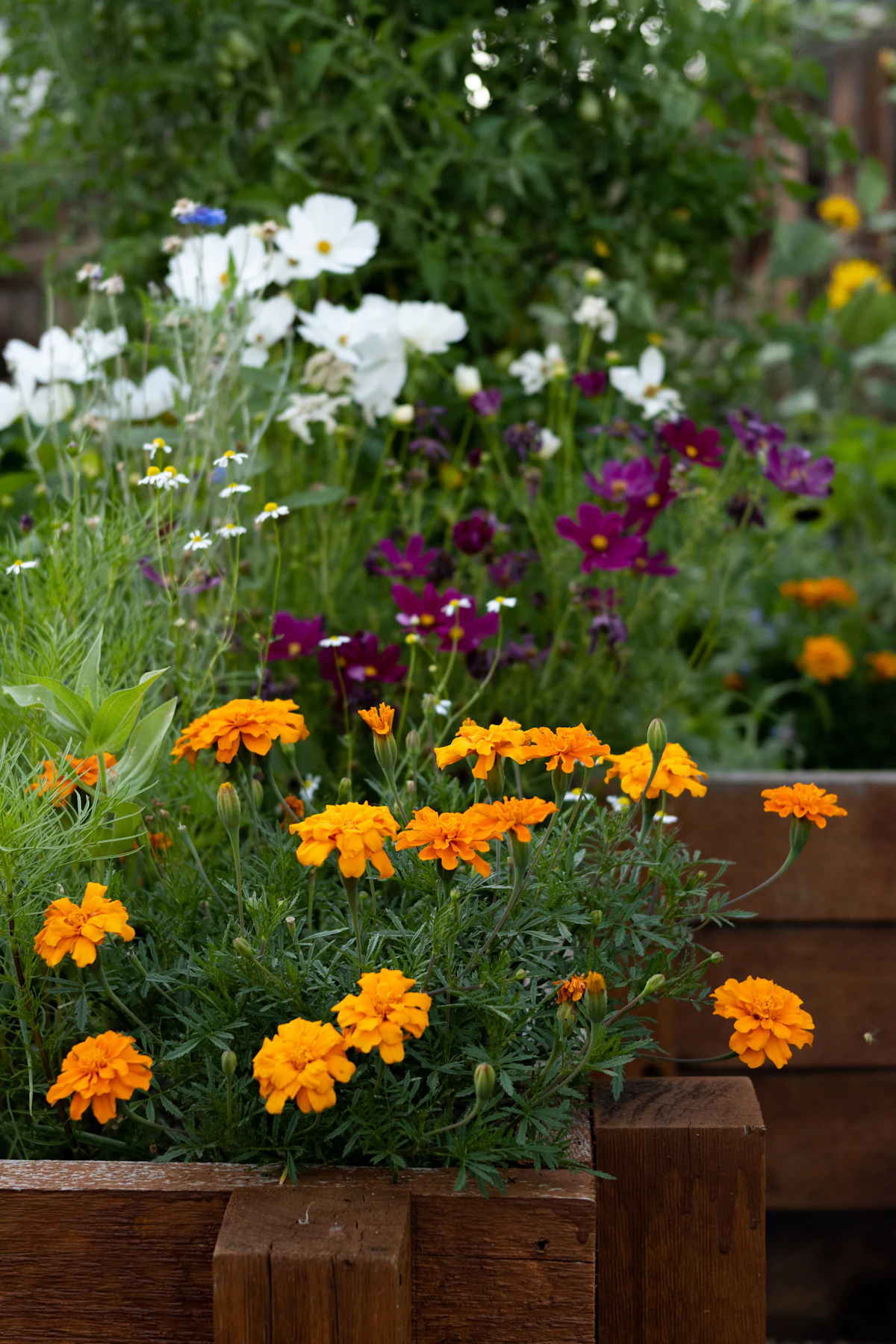
Foliage, structure, seed heads, bark, evergreen form, and seasonal transitions can matter as much as flowers.
Before choosing plants or sketching new beds, spend time noticing how your yard works. Where does the sun fall in the morning and afternoon? Which areas stay damp after rain? Where do people naturally walk?
A useful plan connects these observations with the way you want to live outside. Keep gathering areas easy to reach, allow room for plants to mature, and think about the view from inside your home as well as from the garden.
These details make a more useful starting point than a shopping list of plants. Bring them into your project discussion so the layout can respond to the property.
Explore landscape planningA thin or uneven lawn does not have a single, universal cause. Shade, compacted ground, watering patterns, mowing practices, soil condition, and seasonal stress can all affect how it grows.
Start with the pattern. Is the problem under a tree, along a frequently used route, in a wet area, or across the entire lawn? Note when it began and what changed around that time. Photographs taken over several weeks can help you compare the same area.
Identify the grass type before setting expectations for mowing or seasonal growth. Cutting shorter is not automatically better, and adding water or fertilizer without understanding the cause can miss the actual problem.
Keep a simple record of mowing, rainfall, irrigation, and visible changes. Use that information to discuss a care plan suited to the site and any local watering restrictions.
Explore lawn careA garden changes throughout the year. Flowers may be the first thing that catches your eye, but foliage, branching, texture, and evergreen structure help the space feel considered between flowering seasons.
When putting together a planting plan, consider each plant's mature size, preferred light, water needs, and role in the wider garden. A small nursery plant needs room to become a full-grown part of the landscape.
The aim is a garden that remains interesting as it changes, with care needs that fit your routine.
Explore garden installation